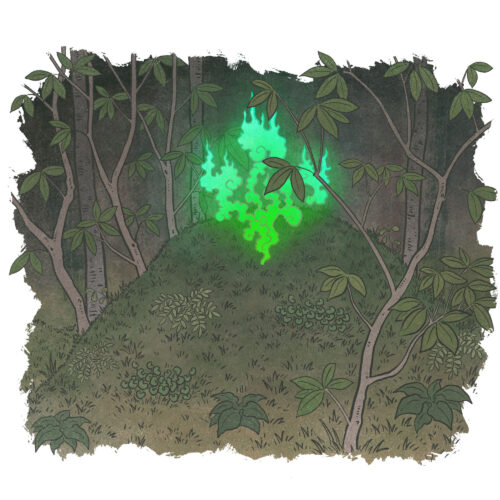
Tonight’s tale comes from volume four of Mimibukuro and discusses a place called Nitta Daimyōjin, or the tomb of Yoshioki. A Daimyōjin is a powerful god, (dai=great, myōjin=a god who works miracles on earth) and in this case refers to the spirit of Nitta Yoshioka, a samurai of the Nanbokuchō period—a great civil war that took place during the 14th century.
Yoshioka was a great hero, and after his execution his vengeful spirit supposedly hung around and began possessing people. In order to appease his spirit, he was enshrined near his place of death, and that shrine is known as Nitta Daimyōjin. It still stands today, in Ōta Ward, Tokyo.
Negishi attributes this story to “Genzui,” which refers to Akiyama Genzui, aka Akiyama Kakushū, a renowned Edo period physician who was also an acquaintance of Negishi.
I also like how this story ends with Negishi’s very reasonable justification for continuing to maintain shrines like this one!
A Matter in Which It Is Difficult to Say There Was No Divine Curse
This tale was recounted by Genzui.
When he was in his prime, he went out with four or five colleagues to gather herbs. The tomb of Yoshioki, also known as Nitta Daimyōjin, is a place that is now covered in bamboo, and a young novice whom they brought with them began picking herbs there. His colleagues tried to stop the boy, but he paid no attention and continued.
After they returned to their lodging, the novice suddenly began to babble, swearing and shouting things like: “You dare pick the herbs in my domain! How detestable!”
Everyone in the household was greatly alarmed. They returned the herbs to their original place, whereupon the boy returned to normal.
If the wrath of heroes remains frozen and undiminished, perhaps there is reason for future generations to continue revering them as gods?