A-Yokai-A-Day: Kanashibari | 妖怪シリーズ:金縛り

Today’s yokai is not so much a yokai per se, as a yokai-induced phenomenon. One thing I love about it is that it is similar to the medieval Western superstition regarding the same medical phenomenon: sleep paralysis. In Euoropean folklore, sleep paralysis was attributed to a demon visiting you in the night. Sometimes this was a succubus or an incubus (who also raped or impregnated you in the process), other times it was just a nasty little goblin who say on your chest, constricting your breath. You are probably familiar with the famous painting of sleep paralysis, The Nightmare by Johann Heinrich Füssli:

Johann Heinrich Füssli - The Nightmare

Füssli’s The Nightmare

As someone who regularly suffers sleep paralysis (every time I sleep on my back, in fact), I appreciate the horror that would inspire someone to attribute it to demons. It’s a pretty scary, half-hallucinatory experience. For those of you who have never experienced, the best way to describe it is like being in a horror movie. Your mind is still half-dreaming, but your eyes are open and you are aware of what’s going on — only it’s all very surreal. You can see your room, but it looks like you are sinking deeper and deeper into your bed. You can hear, but the sound is distorted and even your own breathing sounds like the devil himself growling in your hear. You’re breathing, but you don’t feel like you are and so you panic, but because you are paralyzed it feels like you’re in a cage, bound up and unable to move. It’s such a neat, horrible, scary experience that about once a year I take a nap on my back just to try it out again… But anyway, on to the yokai! | 今回の妖怪は、妖怪それ自体というよりは妖怪による現象についてです。金縛りは中世西洋の迷信に似ていてとても面白い話です。これは医学的には睡眠麻痺と言われています。ヨーロッパでは睡眠麻痺は悪魔の仕業だと考えられていていて、時にはそれはサキュバス(眠っている男を犯す女の悪魔)やインキュバス(眠っている女性を犯す夢魔)だとされ、また時にはそれは汚いゴブリンであり眠っている人の胸の上に乗っているともいわれていました。きっとこの有名なJohann Heinrich Füssli氏によるThe Nightmareという絵をご覧になった事がある方もいらっしゃるとおもいます。

Johann Heinrich Füssli - The Nightmare

Füssli’s The Nightmare

日常的に睡眠麻痺になる人(私は背中を下にして寝ると毎回なります)は金縛りによる恐怖や悪魔の仕業とされていた事も納得がいくであろう。

これは非常に恐ろしく、人は幻覚を見ているような経験をする。例えるならホラー映画に出ているような気分である。

金縛りはレム睡眠の時に生じると言われており、脳は半分夢を見ているが眼は開いていて外界の状況を知ることができる(夢の中にいる感じではあるが)。自分の部屋は見えるが、布団の中に自分が深く深く沈んでいっているように見え、音も聞こえるのであるが音は壊れており自分の呼吸の音すら自分の中で悪魔がうなっているように聞こえるのである。確かに呼吸しているのであるが息ができないと感じたりし、パニックに陥る。そしてさらに、睡眠麻痺のためにまるで箱の中に閉じ込められたように身動き一つする事ができないのである。これは非常に恐ろしく気味の悪い体験である。
Continue reading

A-Yokai-A-Day: Hakutaku | 妖怪シリーズ:白澤

We’ve already seen quite a few holy beasts of legend on this blog, including the kirin, hō-ō, baku, komainu, and shiisaa. Here’s another one!

Oh, and if you’ve ever wondered how many yokai there are in total, read on! | これまでこのブログと本でいくつかの聖獣を紹介してきました。麒麟や鳳凰、獏、狛犬とシーサーなどです。そして今回これらに加えてもう一つご紹介いたします!

いったいどれくらいの種類の妖怪がいるのか?と不思議に思っていらっしゃる方もいると思います。諸説ある中の答えの一つが今回のブログにありますよ! Continue reading

A-Yokai-A-Day: Tenjō-kudari | 妖怪シリーズ:天井下

We’ve seen a lot of animal yokai and legendary beasts so far this month, but today we look at a weird, truly yokai-ish goblin invented by Toriyama Sekien. | これまで、多くの動物の妖怪や聖なる獣をみてきましたね。今回は鳥山石燕による、気味の悪い“妖怪らしい”妖怪を紹介したいと思います Continue reading

A-Yokai-A-Day: Okuri-inu | 妖怪シリーズ:送り犬

Today’s yokai is related to Tuesday’s yosuzume. And it is another dog yokai, for all of you dog lovers out there!
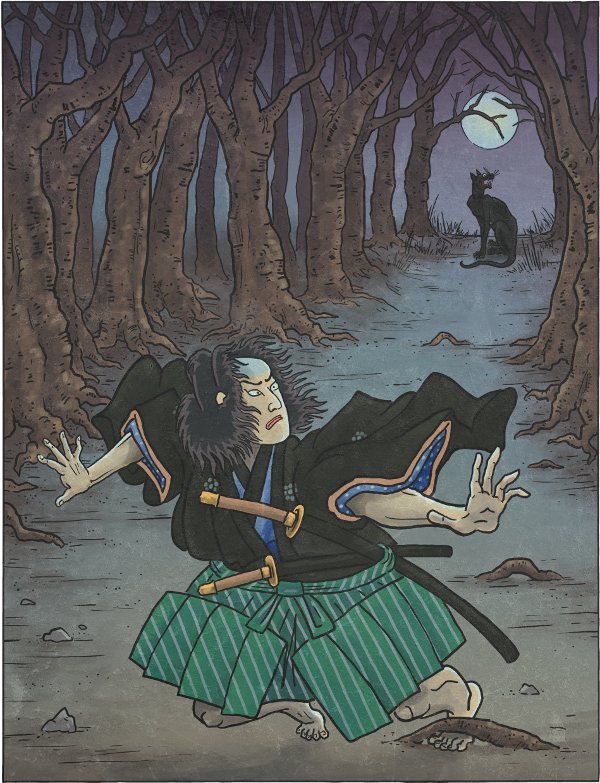
Okuriinu

Okuriinu

Okuri-inu (送り犬)

Okuri-inu means “sending-off dog.” It is also known as okuri-ōkami, or “sending-off wolf,” as this yokai is known the appear is both wild dog and wolf forms. The “sending-off” part of the name comes from the fact that these animal yokai follow closely behind travelers, trailing behind them as if they were sending them off on their way. Of course, friends who send you off rarely rip you to pieces when you fall down…

This superstition is extremely old, and found in all parts of Japan; certainly wolves and superstitions surrounding them have existed for as long as humans have existed on the Japanese isles, and the legend of the okuri-inu must have originated in the mists of pre-historic Japan. Basically, this yokai is a wolf or a dog that follows travelers late on the road at night. It stalks them, keeping a safe distance, but following footstep for footstep, as long as they keep walking. If the traveler should trip or stumble, the okuri-inu will pounce on them and rip them to shreds.

The okuri-inu is a double-edged sword of a yokai. On the one hand, if you should trip and fall, it will pounce on you with supernatural speed and gobble you up. On the other hand, though, they are so ferocious that while they are following you, no other yokai or wild animals will come close. (In the old days, wild dogs and wolves were a serious problem for foot travelers making the dangerous night-time journeys through wild mountain passes.) As long as you keep your footing, you are safe… but traveling in the dark over root-infested, rocky mountain footpaths, especially while carrying a large pack of whatever it is you are going to sell does not make for easy footing!

There are two asterisks to add to this story. One is the other day’s yokai, the yosuzume. This creepy bird’s night-time song is often a warning that an okuri-inu is following you. If you should hear the yosuzume’s chi, chi, chi song, then you can take extra care to watch your footing so that the okuri-inu trailing you doesn’t have dinner that night.

The other one cracks me up. Apparently, if you should stumble, as long as you fake it so it looks like you did it on purpose, the okuri-inu will be tricked into thinking you are just taking a rest, and it won’t pursue. You do this by saying “dokko-isho” (“Heave-ho!”) or “shindoi wa” (“This is exhausting!”) and quickly fixing yourself into a sitting position. Sigh, sit for a bit, then continue on your way and the okuri-inu will wait patiently for you.

Some areas have followups to the story as well. If you should make it out of the mountains safely, you should turn around and say, “Thanks for seeing me off!” Afterwards, it will never follow you again. Further, when you get home, you should wash your feet and leave out a dish of something for the okuri-inu to show your gratitude for it watching over you.

In Izu and Saitama, the okuri-inu has a friend known as the okuri-itachi. This is a weasel that works in roughly the same way as the okuri-inu, only that if you take off one of your shoes and throw it at it, the weasel will eat the shoe and run away, leaving you in peace.

Finally, in modern Japanese, the word okuri-ōkami also applies to predatory men who go after young women, pretending to be sweet and helpful but with ulterior motives… That word comes straight from this yokai!


Are you interested in yokai? Can’t get enough of strange Japanese culture? Then you should check out my book, The Night Parade of One Hundred Demons, on Amazon.com and learn the story behind over one hundred of these bizarre monsters! | 今日の妖怪は火曜日の夜雀に関係しているもので、今回も犬の妖怪ですので犬好きの方にお勧めの妖怪ですよ!

Okuriinu

Okuriinu

Okuri-inu (送り犬)

送り犬は送り狼とも呼ばれ、野犬か狼の姿をしており、“送り”という言葉はこの妖怪が旅人を送り届けるかのように背後について歩く習性からきている。もちろん、本当に送ってくれる友達は、転んだ人間をバラバラに切り刻む事はしないでしょうが…。

送り犬にまつわる言い伝えは古くからあり、日本各地に存在している。狼にまつわる話は確かに人間が存在する昔から伝えれており、送り犬はその大昔の伝説が起源となっていると思われる。基本的に、この狼か犬の妖怪は夜旅人の後をつけるといわれており、彼らは人の後ろにぴったりとついて一足ずつ共に歩くのだそうだ。もし旅人が転んでしまった場合は、その獲物に飛びかかって食らいついて襲うのだという。

送り犬には2つの面がある。一つは転んだ人間に勢いよく襲いかかるというもので、もう一つは送り犬が側にいる間はその凶暴さのため他の野獣は近くに寄ってこないというものである(かつての日本では野犬や狼は、夜の山道を徒歩で歩く旅人にとっては深刻な問題であった)。足元に気をつけ転ばぬようにしておけは安全であるが…しかし暗闇の山道、岩道があったり木の根があったりする中で通行するのは難しく、ましてや町で商いをするために大きな荷物を携えていたりするならば、それはそれは困難な道中になるでしょう。

今週紹介した夜雀であるが、これは送り犬がくる前触れとして現れる気味の悪い雀の大群であった。もし夜雀の「チッチッチ」という鳴き声を聞いたなら、旅人は足元により一層の注意を払わなければ送り犬の今夜の夕食になってしまうという事だ。

他にも送り犬にまつわる話は数多くある。一つは例え転んでしまったとしても、それをわざと“転んでいない”ように振舞うことで送り犬はただ休んだだけかと勘違いして襲ってこないのだというものである。例えば、転んだ拍子に「どっこいしょ」と休んだように言ったり、「しんどいわぁ」と疲れて座ったかのように見せかけたりすると送り犬は襲ってはこずにその場で待っているのだという。そしてその後も旅を続ける人間の後を根気強くついて歩くのである。

他の地域にはその続きの話もある。もし何事もなく山を通り抜ける事が出来たなら、振り返って送ってくれたお礼を述べるともうその後追ってくることはないのだという。さらに、家にたどり着いた後は足を洗い流し無事帰れた事への感謝として外に何か一品供えておくと良いとの話もある。

静岡県と埼玉県では、送り鼬という送り犬の仲間が伝えられている。大体は送り犬と同じであるが、送り鼬には履いている草履を片方投げるとそれを咥えて去っていくという言い伝えがある。

最後に、日本で現代も使われている「送り狼」という用語であるが、これは本心を隠して若い女性に親切に振舞い、隙あらば乱暴しようと企む男をさすものである。この用語も、この妖怪からきたものであると分かる。


他の妖怪にも興味をもっていただけたなら、是非アマゾンから「The Night Parade of One Hundred Demons(百鬼夜行)」をどうぞ!

A-Yokai-A-Day: Ittan-momen, Kosode-no-te, Jatai | 妖怪シリーズ:一反木綿・小袖の手・蛇帯

One of the most amusing kinds of yokai is the group known as tsukumogami, or “99-year gods.” Superstition tells us that upon reaching 100-years of age, ordinary household items can gain sentience and come to life. This has lead to a number of fascinatiing stories about kimonos, shoes, umbrellas, and so on attacking people in their homes. Here are a few of the tsukumogami from Night Parade: | 妖怪の中でも興味深いグループの一つに付喪神(九十九神(髪))がある。言い伝えによると、長い期間使(100年近く)われてきた物達は付喪神という妖怪となり、時には人を襲う事もあるのだといいます。種類は数多くあって着物や履物、傘などです。展示会に来られた方々の中に付喪神が大好きだといわれる方もいましたよ。それでは今回、こちらの付喪神をNight Parade本がらご紹介しましょう! Continue reading

A-Yokai-A-Day: Yosuzume | 妖怪シリーズ:夜雀

Today’s yokai comes by request: the yosuzume! In any case, it’s a very interested yokai that has a connection with another yokai we will look at later this week; and on top of that, it’s a bird yokai, and I am a huge bird lover! | 今日の妖怪もリクエストされたものです。展示会の間からこれまでに本当に沢山のリクエストを頂いていて、出来る限り全てのリクエストに応えたいと思っています。しかしながら生活環境が一変して間もないため、なかなか全てのリクエストにお応えして新しい妖怪を出すのが時間の関係で難しくなっています。でも楽しみに待っていて下さっている皆さんのため、一生懸命描いてゆきますので、これからもどうぞよろしくお願いします。

さて、今日の妖怪の夜雀ですが、この妖怪は後ほど描く予定である妖怪と関係のあるものでとても興味深いです。そして何より、私は鳥が大好きなのでこの鳥の妖怪を描くのはとても楽しかったです。 Continue reading

A-Yokai-A-Day: Kitsune-bi | 妖怪シリーズ:狐火

Today’s yokai is pretty interesting to me, because it is almost exactly the same as another phenomenon in British mythology known as St. Elmo’s fire (or will o’ the wisp). There’s something so interesting about two cultures, separated by about as far as you can possibly be on this planet, developing almost the same supernatural explanation. Though the Japanese version is much cuter and less sinister than the British version, it is still potentially plenty dangerous due to the implication that many other yokai are nearby… | 今回の妖怪は私にとって興味深いものです。なぜならこの妖怪はイギリスに伝わる言い伝え St. Elmo’s fire(もしくは will o’ the wisp)と酷似しているからです。
この地球上でこれほど離れた国(文化)同士でこれほど似た(ほとんど同じ)考えがあったのです。日本のバージョンの方がよりかわいく、イギリスのものほどの気味悪さもないですが、この現象の裏には多くの危険が潜んでいる事を意味しているので、潜在的な怖さがありますね。 Continue reading